
For many women, changes in hearing arrive so gradually they are easy to dismiss. You may find yourself asking people to repeat themselves more often, turning up the television a little louder, or struggling to follow conversations in busy restaurants or at family gatherings. It can feel like a small inconvenience, just another part of getting older. But researchers say hearing loss may be connected to something much bigger: brain health.
A growing body of research suggests that untreated hearing loss is associated with a higher risk of dementia. That does not mean hearing loss guarantees memory problems, and it does not mean every person with hearing challenges will go on to develop dementia. Still, the connection is strong enough that health experts now consider hearing loss an important risk factor worth paying attention to, especially in midlife and beyond.
So what is the link?
One explanation is that when hearing becomes more difficult, the brain has to work overtime to fill in the gaps. Instead of processing speech effortlessly, it strains to decode muffled sounds and missing words. Over time, that extra effort may leave fewer mental resources available for memory, concentration, and clear thinking.
There is also the social side of hearing loss, which can be just as important. When conversations become exhausting or embarrassing, some people begin to withdraw. They may skip gatherings, avoid phone calls, or sit quietly in rooms where they once felt fully engaged. That kind of isolation can affect emotional well-being, and loneliness itself has long been linked to cognitive decline.
In some cases, hearing loss and dementia may also share common roots. Aging, poor circulation, chronic inflammation, and other health conditions can affect both the ears and the brain. In other words, hearing loss may not always be the direct cause of cognitive decline, but it can be part of a larger picture of overall health.
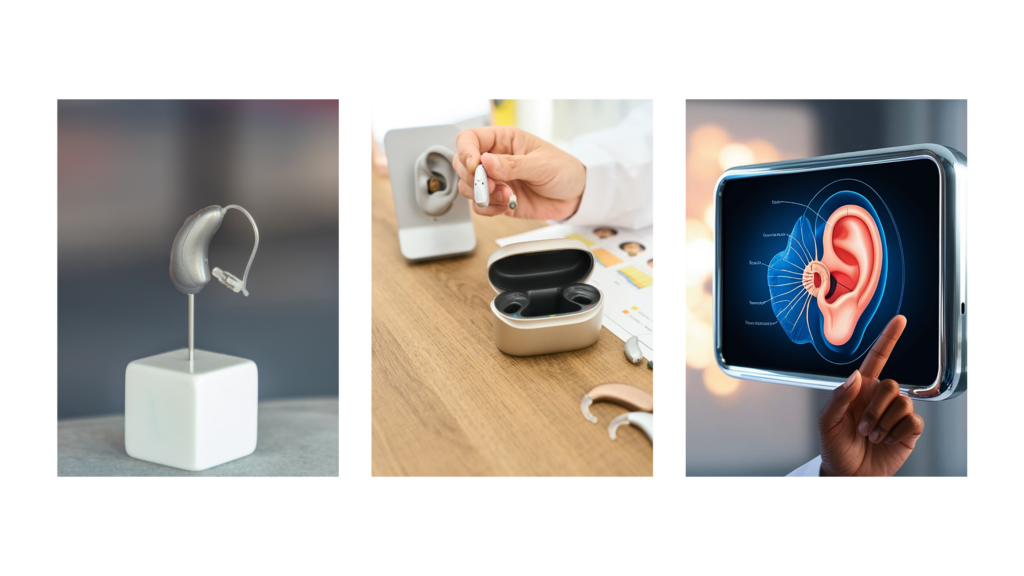
The good news is that hearing loss is one of the few risk factors we may be able to address. More experts now encourage adults to treat hearing health as a key part of healthy aging. Hearing aids, assistive listening devices, and regular hearing evaluations may do more than improve communication. They may also help people stay socially connected, mentally engaged, and more confident in everyday life.
For women over 50, that matters. We often hear about protecting the brain through exercise, healthy food, quality sleep, and managing stress. Those habits remain essential. But hearing deserves a place in that conversation too. Taking action when hearing begins to change is not just about catching every word. It is about staying connected to the people, experiences, and communities that help keep the mind active and strong.
If you have noticed signs of hearing loss — difficulty following group conversations, needing higher volume on devices, or feeling worn out after social situations — it may be time to schedule a hearing test. What seems like a minor frustration could be an important signal from your body asking for attention.
Healthy aging is not only about adding years to life. It is also about protecting the quality of those years. And sometimes, caring for your hearing may be one more powerful way to care for your mind.


Be the first to comment