
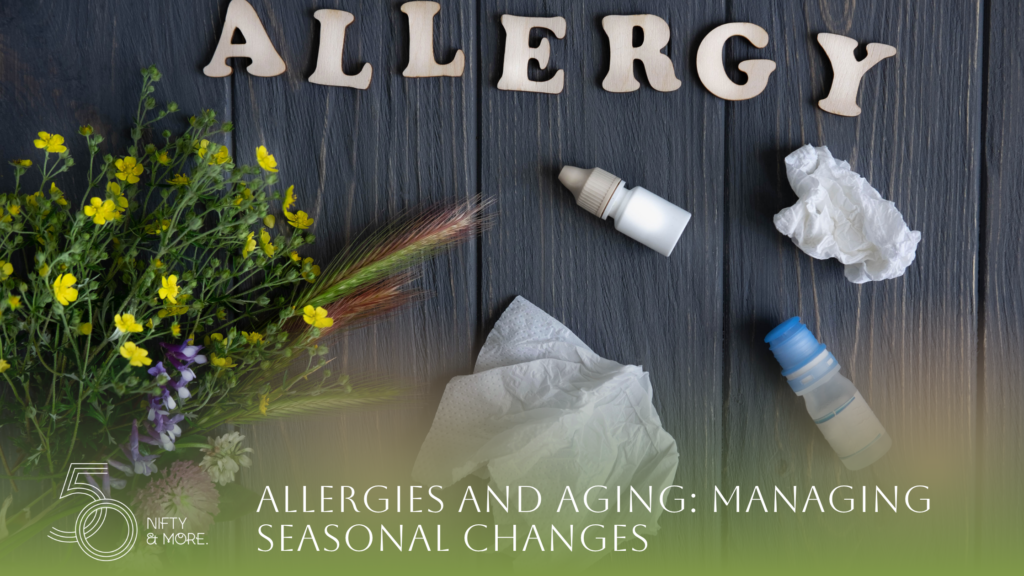
The flowers are blooming, the birds are back — and so is the sneezing. If your springs
have started feeling like a battle with your own body, you’re not imagining it. Allergies
can actually intensify as we age, and the reasons why might surprise you.
Why Allergies Can Get Worse After 50
Many women are caught off guard when seasonal allergies seem to appear or worsen in
their 50s and 60s. This isn’t bad luck — it’s biology. As we age, our immune system
shifts in ways that can make us more reactive to allergens we previously tolerated.
Additionally, decades of cumulative exposure to pollen, mold, and other triggers can
push the immune system past its threshold.
Hormonal changes during menopause also play a role. Fluctuating estrogen levels can
affect the mucous membranes lining your nasal passages, making them more sensitive
and prone to inflammation. And if you’ve spent years living in an area with high air
pollution, your respiratory system may already be dealing with chronic low-level
irritation that makes seasonal allergies hit harder.

Common Symptoms to Watch For
The classic signs are familiar: sneezing, runny nose, itchy eyes, and nasal congestion.
But for women over 50, allergies can also show up as fatigue that feels unusual,
disrupted sleep due to nighttime nasal congestion, increased asthma symptoms (if you
have asthma), and post-nasal drip that leads to a persistent cough. Because some of
these overlap with other conditions common in midlife, it’s worth speaking with your
doctor to rule out other causes.
Management Strategies That Actually Work
The good news? You don’t have to white-knuckle through spring. Here are strategies
that have real impact:
✓ Track pollen counts. Most weather apps now include this feature. On high-pollen
days, keep windows closed and run your air conditioning instead.
✓ Shower and change clothes after spending time outdoors. Pollen clings to hair
and clothing and can follow you inside.
✓ Invest in a HEPA air purifier for your bedroom. The quality of your sleep space
matters enormously for respiratory health.
✓ Try a saline nasal rinse. It sounds unglamorous, but nasal irrigation with a neti
pot or squeeze bottle can flush allergens before they trigger a reaction.
✓ Talk to your doctor about antihistamines. Older antihistamines can cause
drowsiness and cognitive fog — newer non-drowsy options like cetirizine or
fexofenadine may work better for you.
✓ Consider allergy testing. If your symptoms are severe or year-round, an allergist
can identify your specific triggers and discuss immunotherapy (allergy shots or
sublingual drops), which can desensitize your immune system over time.
A Word About Air Quality
Urban and suburban women of color often face disproportionate exposure to air
pollution due to historic housing policies and the placement of industrial areas near
Black communities. This environmental injustice means your lungs may be carrying
extra burden. Advocating for cleaner air in your community is a health issue — and
organizations like the NAACP’s Environmental and Climate Justice program are doing
this work if you want to get involved.
This spring, treat your respiratory health as the priority it deserves. You breathe about
22,000 times a day — make each one count.


Be the first to comment