
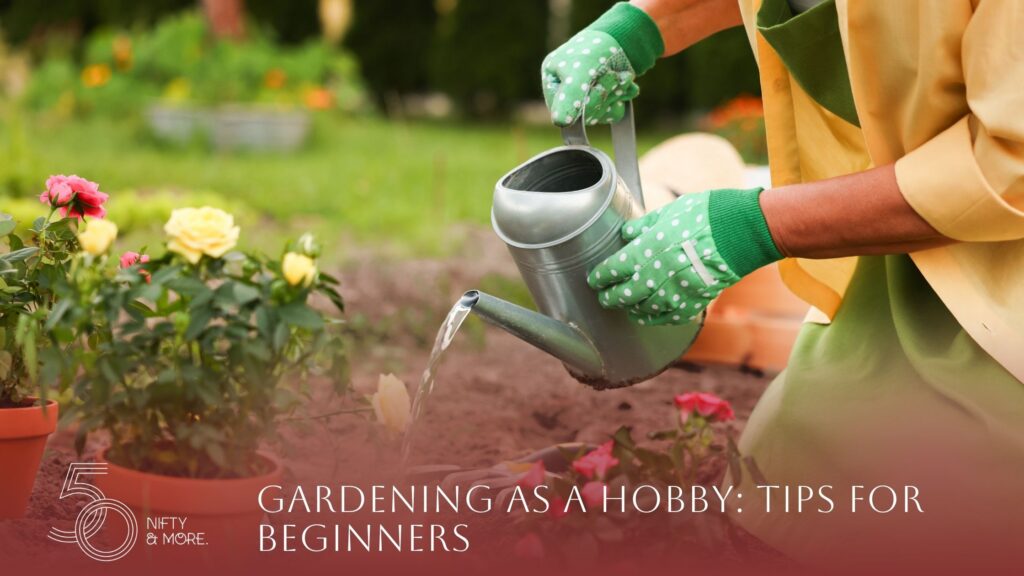
There is something profound about putting your hands in the earth and nurturing life. Gardening is not just a hobby — it’s a conversation with nature, a meditation in motion, and for many Black women, a reclamation of ancestral connection to the land on our own terms.
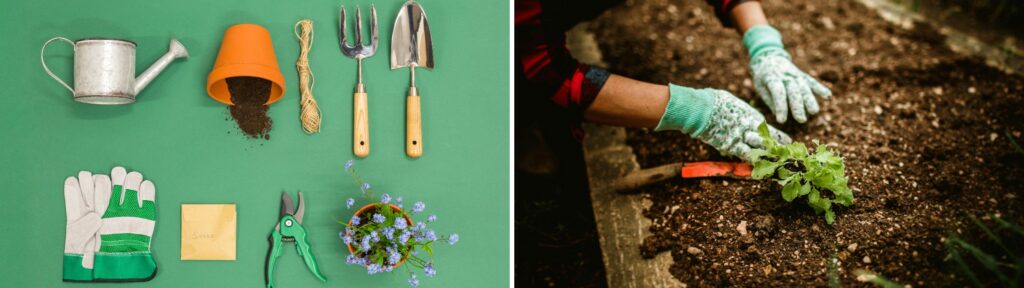
Why Gardening Is Good for You
The research is robust: gardening reduces cortisol (the stress hormone), improves mood, provides gentle physical activity, and can even sharpen cognitive function. For women over 50, those benefits hit differently. Gardening gets you outside for sunlight (hello, vitamin D), involves gentle stretching and movement that’s easy on joints, and gives you a sense of purpose and accomplishment that nourishes the spirit.
There’s also growing evidence that spending time in green spaces reduces inflammation — which becomes increasingly important as we age. And if you grow herbs or vegetables, you get the bonus of fresh, nutrient-dense food straight from your own soil.
Starting Small and Smart
The biggest mistake new gardeners make is starting too big. Begin with one raised bed or even a collection of containers on a porch or patio. Containers are particularly great because they offer control over soil quality, reduce bending, and can be moved to optimize sunlight.
Choose your climate zone first — the USDA Plant Hardiness Zone Map (available free online) tells you what grows well where you live. Then start with plants that are forgiving and rewarding: herbs like basil, mint, and rosemary; vegetables like tomatoes, zucchini, and green beans; flowers like zinnias and black-eyed Susans.
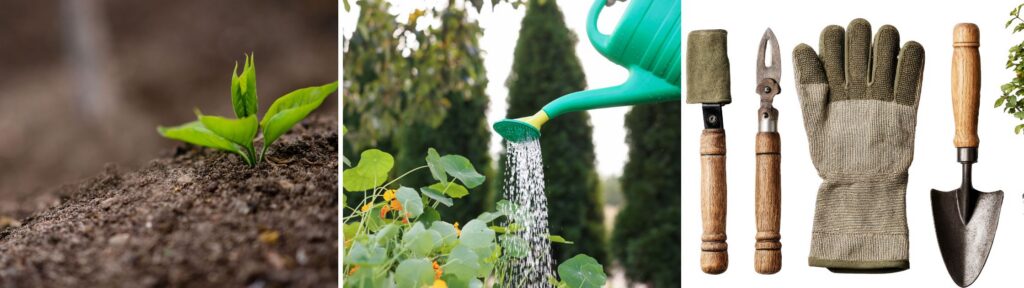
Essential Beginner Tips
- Invest in your soil. Good soil is the foundation of everything. Mix in compost to give your plants the nutrients they need to thrive.
- Water deeply, not frequently. Most plants prefer a deep watering two or three times a week over a shallow daily sprinkle. This encourages roots to grow down where the moisture is more stable.
- Mulch is your friend. A layer of mulch around your plants retains moisture, regulates soil temperature, and suppresses weeds.
- Protect your knees and back. Use a kneeling pad, raised beds, or long-handled tools to garden comfortably without strain.
- Connect with your local Cooperative Extension office. Every state has one, and they offer free, region-specific gardening advice.
The Deeper Roots
For many of us, gardening carries history. Our grandmothers and great-grandmothers grew food out of necessity, turning whatever land they had access to into abundance. Today, we garden by choice, which makes every tomato a small act of liberation. Community gardens are also a wonderful way to garden if you’re short on space — and a beautiful way to build relationships with neighbors who share your love of growing things.
This spring, get your hands dirty. Plant something. Tend it. Watch it grow. There’s no better metaphor for this season of your life.


Be the first to comment