
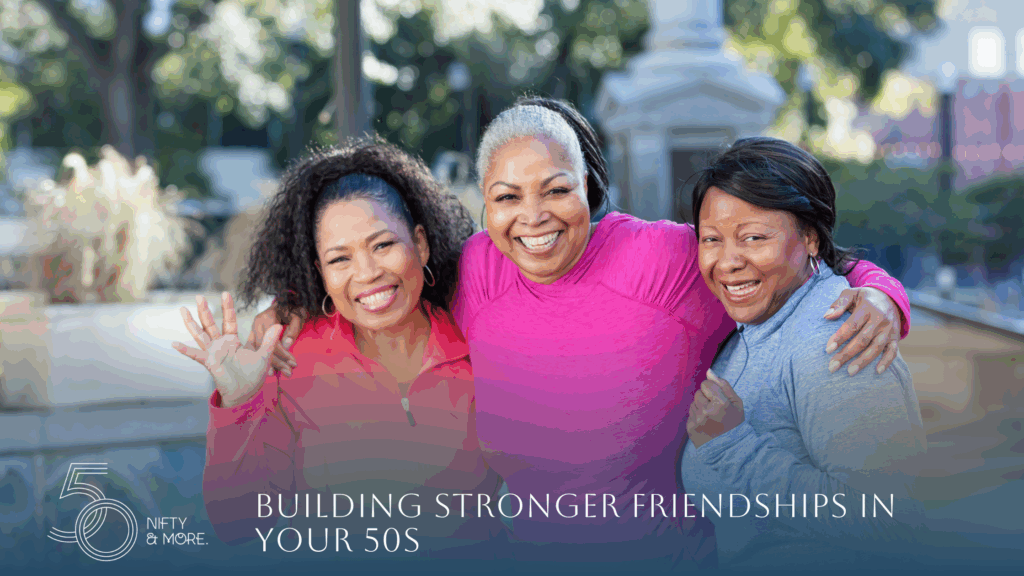
If someone had told our younger selves that making and keeping friends would get more complicated as we aged, we might not have believed them. But here we are, navigating a friendship landscape that looks different than it did in our 30s and 40s. The good news? The friendships we build now can be some of the most meaningful and authentic we’ve ever known.
Why Friendship Changes
Life has scattered us. Friends moved for jobs, relationships, or retirement. Kids’ schedules no longer naturally bring us together at school functions and sports events. We’ve lost touch with some people, and others we’ve outgrown. Some friendships didn’t survive life’s challenges—divorces, disagreements, or simply drifting apart.
We’re also different now. We have less patience for surface-level connections and drama. We’re clearer about our boundaries and our values. We know what we need from friendship, even if we’re still figuring out where to find it.
The Friendships Worth Investing In
At this stage, quality matters more than quantity. You don’t need a dozen close friends—you need a few solid connections with women who genuinely see you, support you, and show up.
Look for reciprocity. Friendship shouldn’t be one-sided. If you’re always the one reaching out, always the one listening, always the one making effort, that’s not a balanced friendship. You deserve relationships where care flows both ways.
Seek authenticity. The best friendships now are with women you can be completely yourself with—no performance, no people-pleasing, no pretending. These are the friends you can cry with, laugh until you can’t breathe with, and tell the truth to.
Where to Find Your People
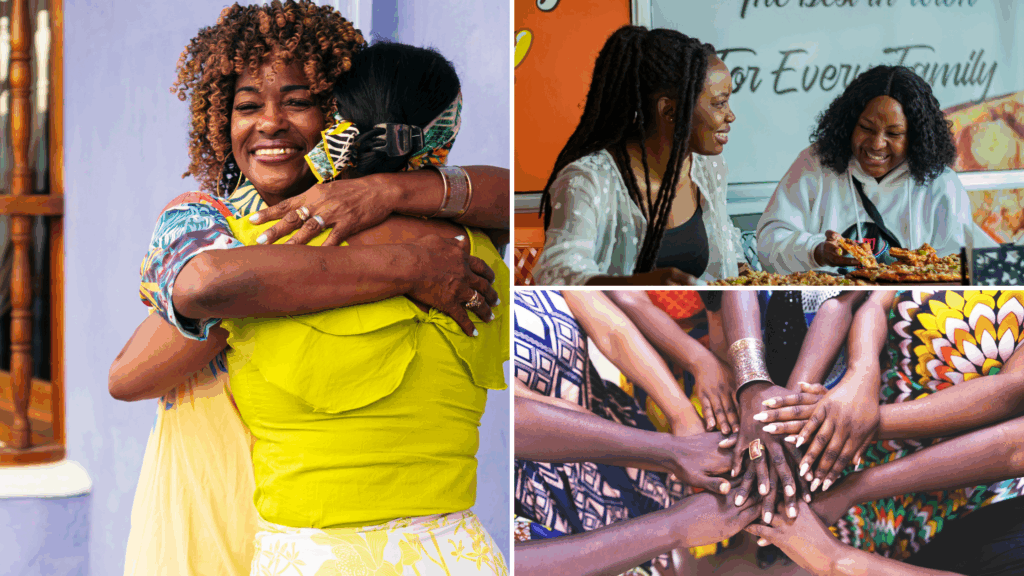
Shared interests create natural connection. Join a book club, a walking group, a church ministry, or a creative class. When you’re regularly in the same space doing something you enjoy, friendships develop organically.
Volunteer work connects you with people who share your values. Whether it’s a literacy program, a community garden, a political campaign, or a nonprofit board, working alongside others toward a common goal builds bonds.
Faith communities remain vital friendship sources for many Black women. If church or other spiritual spaces are important to you, look for communities with active fellowship programs, women’s groups, or small group ministries.
Online communities aren’t just for young people. Facebook groups for Black women over 50, hobby-specific forums, and even apps like Bumble BFF can help you connect with like-minded women, particularly if you’re in an area where you feel isolated.
Reconnecting with old friends sometimes works beautifully. That college roommate, former coworker, or childhood friend you lost touch with? It might be worth reaching out. People often welcome reconnection, especially if the friendship ended due to circumstances rather than conflict.
Nurturing the Friendships You Have
Consistent contact matters. It doesn’t have to be elaborate—a text to check in, a quick phone call while you’re driving, a coffee date once a month. The key is reliability. Be the friend who shows up.
Be vulnerable. Share what’s really going on in your life, not just the highlight reel. When you open up about your challenges, struggles, and fears, you give your friend permission to do the same. That’s where real intimacy develops.
Listen actively. Put your phone down. Ask follow-up questions. Remember the details of what your friend tells you and check back in later. This kind of attentive presence is increasingly rare and deeply valued.
Celebrate your friends’ wins genuinely. At this age, we’ve hopefully moved past petty jealousies. When good things happen for your friends, show up with authentic joy. Their success doesn’t diminish yours.
Navigating Friendship Challenges
Conflict happens, even in good friendships. Address issues directly but kindly. Many friendships end unnecessarily because people avoid difficult conversations until resentment builds too high. Practice saying, “Can we talk about something that’s been bothering me?” and working through it together.
Accept that some friendships have seasons. Not every friendship is meant to last forever, and that’s okay. You can appreciate what a friendship brought to your life while acknowledging it’s run its course.
Be mindful of energy vampires. Some people leave you feeling drained every single time you interact. Life is too short to spend time with people who consistently take more than they give or who bring constant negativity without any willingness to change.

The Special Gift of Friendships Between Black Women
There’s something particular about friendships between Black women. We share experiences and understanding that don’t always need explanation. We know what it means to navigate spaces where we’re the only one. We understand hair struggles, family expectations, and the particular kind of strength that’s been required of us.
We can laugh at inside jokes rooted in shared culture. We can express frustration and joy in ways that don’t need translation. We can let our guard down in ways we can’t always do in other spaces.
These friendships are not just social—they’re survival. They’re where we restore ourselves, where we’re reminded of our worth, where we find the strength to keep going.
Making Peace with Solo Time
Building strong friendships doesn’t mean you can never be alone. In fact, being comfortable with yourself makes you a better friend. You’re not seeking friendship from desperation but from a desire for connection. That’s a healthier foundation.
Some of the most content women in their 50s and beyond have learned to genuinely enjoy their own company—having dinner alone, going to movies solo, traveling independently. These experiences don’t diminish the value of friendship; they complement it.
The Friendships You Deserve
You deserve friendships that feel easy, not exhausting. Where you can show up as your full self. Where laughter comes naturally. Where support is mutual. Where you’re celebrated, not merely tolerated. Where conflicts are addressed with respect. Where your time and energy are valued.
You’ve been a friend to so many—partners, children, parents, coworkers, community members. You’ve shown up, held space, offered support, and sacrificed your own needs. Now it’s time to be equally intentional about receiving that same energy in return.
Good friendships at this stage of life are worth fighting for, investing in, and protecting. They make the journey richer, the challenges more bearable, and the joy more abundant. You’re never too old to make new friends or deepen existing ones.
Your friendship circle might look different than it once did. That doesn’t mean it’s lacking—it means it’s evolving, just like you. And that’s exactly as it should be.


Be the first to comment