
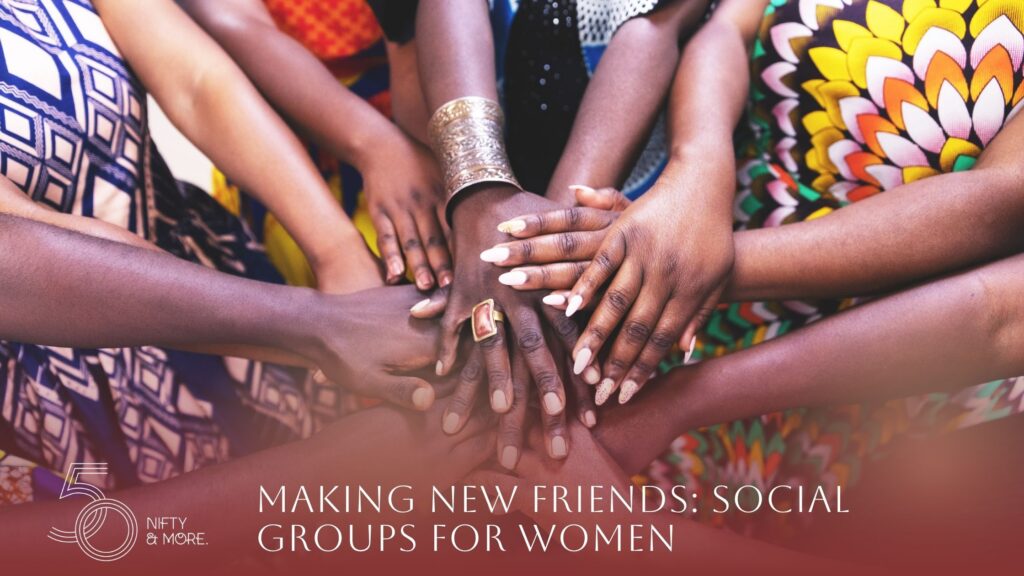
Somewhere between the career hustle, raising children, and taking care of aging parents, many of us looked up and realized our friendship circle had quietly shrunk. Making new friends as an adult — especially over 50 — can feel awkward and unfamiliar. But it is entirely possible, and it might be one of the most important investments you make this season.
Why Friendship Is a Health Issue
Research on loneliness is sobering: chronic loneliness has health effects comparable to smoking 15 cigarettes a day. But the inverse is equally powerful — strong social connections are associated with longer life, sharper cognitive function, lower rates of depression, and even better cardiovascular health. For Black women, who are statistically at higher risk for conditions like hypertension and Type 2 diabetes, meaningful community isn’t a luxury. It’s medicine.
Yet we often sacrifice our social lives last, after we’ve given everything to everyone else. This spring, consider your friendships as important as your doctor’s appointments and your financial planning — because, in a very real sense, they are.
Where to Find Your People
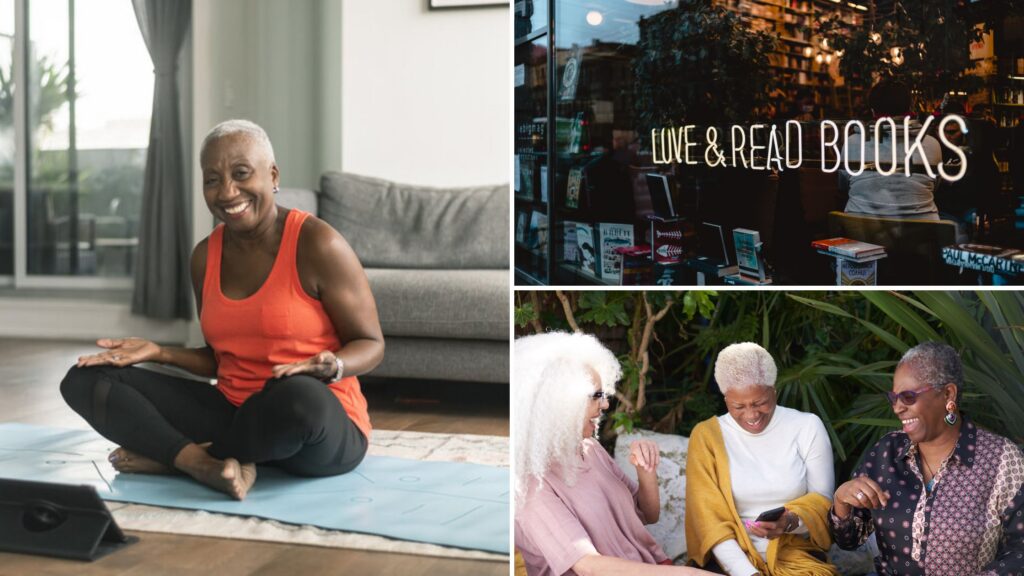
Meeting new friends over 50 requires intention. Here are some of the most fertile ground:
- Book clubs: This is one of the best-kept secrets of women’s social life. A good book club meets monthly, gives you something to discuss (or argue about), and creates a natural rhythm of connection. Check your local library, Meetup.com, or start your own through community groups.
- Faith communities: For many Black women, the church has always been the center of social life. If you’re looking to deepen connections, getting involved in a women’s ministry, a volunteer group, or a small group Bible study can build friendships around shared values.
- Fitness classes: Yoga, Silver Sneakers, water aerobics, or dance fitness classes attract regulars — and regulars become friends. The shared experience of movement creates easy conversation.
- Volunteer organizations: When you work alongside people toward a common goal, relationships form organically. Habitat for Humanity, food pantries, literacy programs, and local political campaigns are all excellent options.
- Professional and civic organizations: Sororities, Jack and Jill alumnae groups, Links chapters, professional women’s organizations, and local NAACP branches all offer rich community for Black women who want connection with a sense of purpose.
- Online communities with offline meetups: Facebook Groups, Meetup.com, and platforms like Bumble BFF (yes, it’s real) can help you find local women with shared interests who are also looking to expand their circles.
The Art of Making the First Move
The hardest part is usually showing up consistently and making the first real overture — suggesting coffee, following up after class, texting to say you enjoyed the conversation. It feels vulnerable. Do it anyway. Most women your age are quietly hoping someone will take the lead.
If you’re introverted, give yourself permission to start small — one social engagement per week is enough to begin building momentum. You don’t need a large circle. You need a deep one: two or three women who know you, see you, and make you laugh until your sides hurt.
On Being a Good Friend
Friendship in midlife requires different things than it did at 30. We have less patience for drama and more appreciation for honesty. We need friends who show up in hard times and celebrate us in good ones. To attract that kind of friendship, we need to offer it. Be curious about people’s lives. Be reliable. Be honest. And for goodness’ sake, put your phone away when you’re together.
This spring, invest in your people. The relationships you build and tend now are the ones that will carry you forward through whatever comes next. They are, quite literally, part of what makes life worth living.


Be the first to comment